-
The primary aim for most heritage loco owners is to conserve them in authentic condition, restoring original parts to continue performing their original function. However, there are situations where modern materials and components have to be used, because it is no longer possible to obtain the original type. This should be done sympathetically to respect the original design.
In some cases it is worthwhile upgrading to a more modern design to overcome known problems with the original. This could be to improve the reliability or weather resistance for example. Again, it is usually possible to conceal such modifications, at least to preserve the external appearance.
Diesel Locomotive Modifications & Upgrades Example 1
Modifications to our loco 33035
During the restoration programme, it became clear that the design and layout was poor in a number of areas. In preservation, these locos suffer badly from rust and corrosion due to poor weather resistance. After the failure of the ETH heating generator, we also found that the control equipment was not providing adequate protection from voltage surges, which could also be related to internal dampness.We therefore made several modifications and upgrades to overcome these weaknesses:
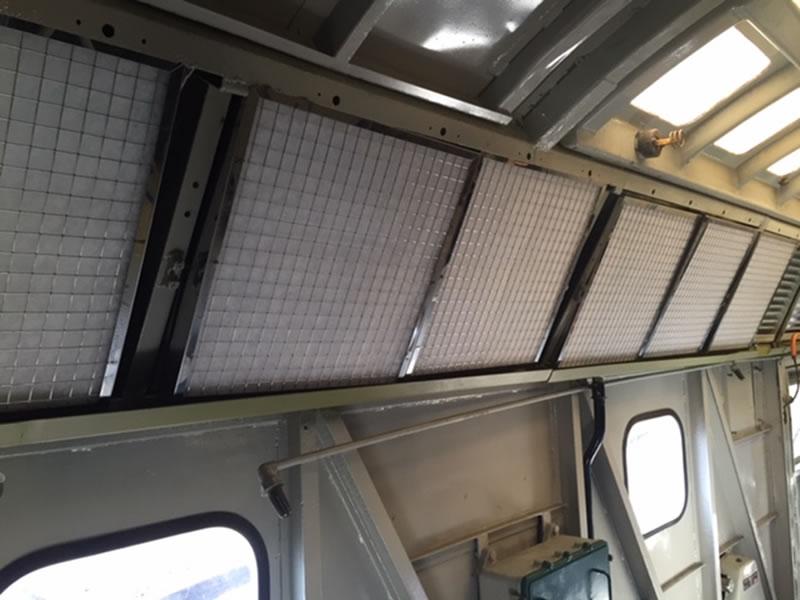
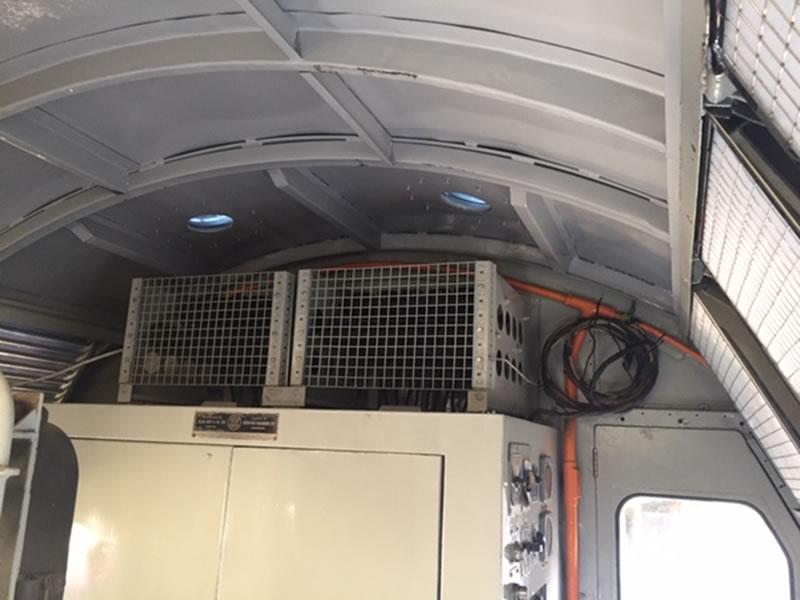
- Installation of stainless steel air filters to all bodyside grilles to provide weather protection for the engine room
- Rebuild and enlarging drainage channels
- Removal of redundant silencer roof compartment to improve ventilation of electrical equipment
- Installation of new electronic voltage regulator for heating generator with protection against voltage and current surges
- Installation of background heating cables in generator casing to prevent condensation
All these modifications are internal and do not affect the external appearance which remains authentic.
Diesel Locomotive Modifications & Upgrades Example 2
Cab Interior Upgrade for 46010
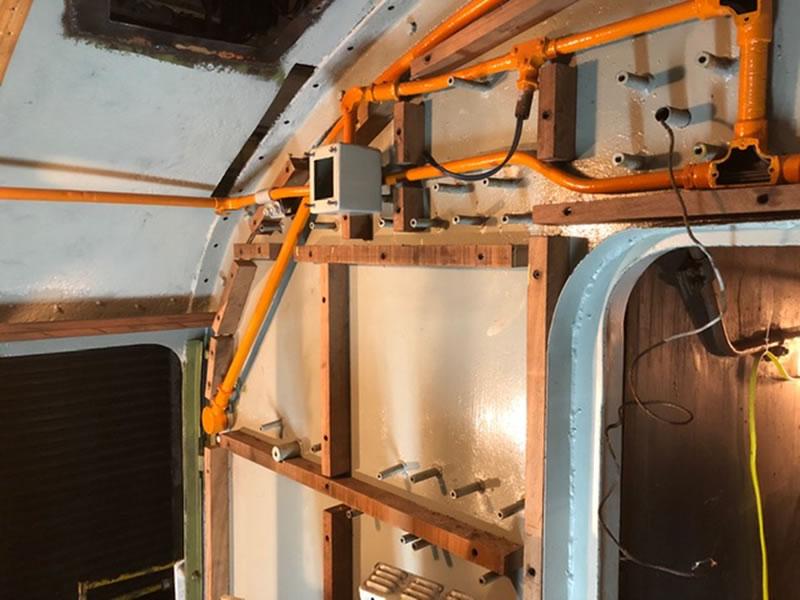
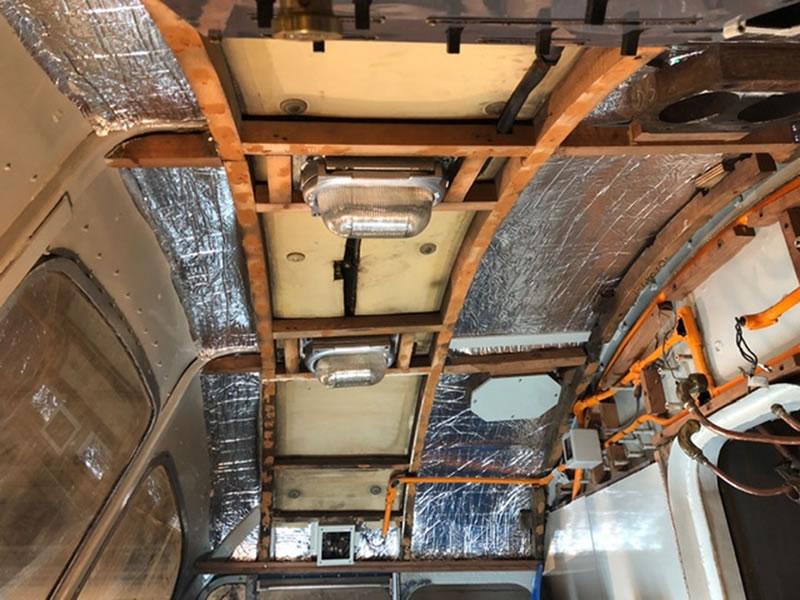
During the major restoration programme on 46010, we found the cab interiors to be severely rotten from corrosion and condensation. The old fibreglass insulation and cloth lining had trapped moisture and corroded the steel panelling behind, and similarly the hardboard ceiling panels had rotted with leakage and moisture from the cab roof. The roof air vents were notorious for water leakage especially with loco standing outside.We stripped out all the old panelling and insulation, restored the steelwork and sealed the external joints in the roof. We then upgraded the interior to give improved durability:
- Modern thermal insulation
- Cab backwall installed with fireproof boarding on hardwood supports, finished with brushed aluminium trim
- Ceiling replaced with plywood panels on hardwood supports, finished with hardwood trim
- Old air vents on top of roof restored and retained for visual appearance, but internally blanked off with steel plates.